
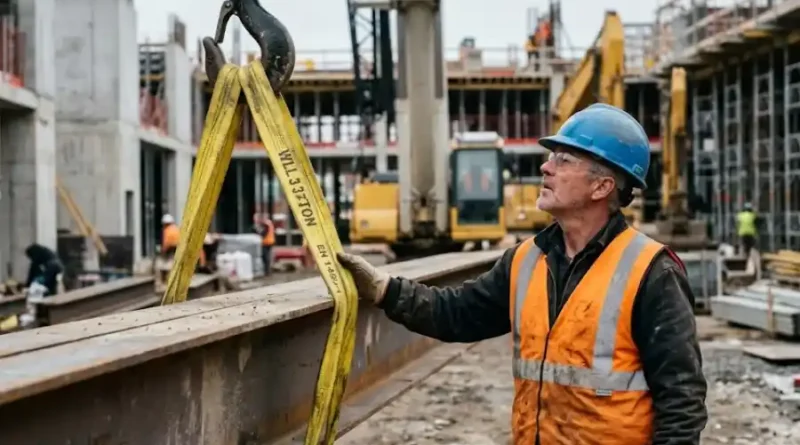
Slinguri 101: 4 Main Types, Safety Rules, and How to Choose
Ever watched a crane lift a huge metal beam or a giant engine and wondered how it stays steady in the air? The secret is slinguri. These are strong straps, ropes, or chains that link the heavy load to the lifting machine. Without them, moving heavy stuff would be slow, risky, and often impossible.
If you work in a warehouse, factory, shipping yard, or construction site, slinguri are part of your daily life. If you are a business owner buying lifting gear for the first time, this guide will help you avoid costly mistakes. And if you are just curious, by the end of this post you will know more about slinguri than most workers on the job.
I have spent years around rigging crews and lifting gear. This article shares what I have learned in plain, simple English. Let’s get into it.
What Are Slinguri?
The word “slinguri” comes from Romanian. It simply means “slings.” In English, people often call them lifting slings or rigging slings.
A sling is a flexible tool used to hold a load while it gets lifted, moved, or lowered. One end hooks onto a crane, hoist, or forklift. The other end wraps around the load. Simple idea. But the small details matter a lot.
Think of slinguri as the seat belt of the lifting world. They hold things in place so nothing falls, breaks, or hurts someone. And just like seat belts, they only work if you use the right kind and use it the right way.
The 4 Main Types of Slinguri
Not all slinguri are the same. Each type is built for a different job. Let’s look at the four main kinds.
1. Web Slinguri (Synthetic Flat Slings)
Web slinguri are made from strong woven fabric, often nylon or polyester. They look like wide, flat belts.
Best for: Lifting smooth or painted items. The soft surface keeps the load from getting scratched.
Not good for: Sharp edges, high heat, or oily jobs.
Web slinguri are the most common type in warehouses and light construction. They are light, cheap, and easy to use. If you are just getting started with lifting gear, this is often the first one you will buy.
2. Round Slinguri
Round slinguri look like soft, colorful tubes. Inside the tube sit thousands of strong polyester fibers. These fibers do the real lifting work. The outer cover just protects them.
Best for: Loads with odd or curved shapes. The round shape hugs the load tightly without slipping.
Not good for: Very sharp edges unless you add corner protectors.
One helpful feature of round slinguri is color coding. Each color shows the max safe lifting weight. Purple is usually for lighter loads. Heavier ones use green, yellow, brown, or red. A quick glance tells you what you are working with.
3. Chain Slinguri
Chain slinguri are made of strong metal links. They are the heavy hitters of the sling world.
Best for: Hot places, sharp edges, rough loads, and jobs in foundries or steel yards.
Not good for: Delicate or painted items. Chain slinguri can scratch or dent soft surfaces.
They are also heavier and cost more. But when you need raw strength and heat resistance, nothing beats them.
4. Wire Rope Slinguri
Wire rope slinguri are made from twisted steel wires. They are very strong, but flexible enough to bend around loads.
Best for: Long lifts, outdoor work, marine jobs, and heavy construction.
Not good for: Very sharp bends or constant twisting. This can hurt the wires over time.
Wire rope slinguri last a long time if you take care of them. But if a few wires start to break, it is time to retire the sling right away.
How to Choose the Right Slinguri?
Picking the right sling takes more than checking the price. The wrong choice can drop a load, damage goods, or even kill someone. Here is a simple five-step way to decide.
Step 1: Know the weight of your load
Always check the load’s weight before you lift. Never guess. Then pick a sling that can lift more than that weight safely.
Step 2: Look at the shape and surface
Is the load round? Flat? Painted? Hot? These details decide which type of sling works best.
Step 3: Think about the work area
Is it indoors or outdoors? Is it hot, wet, or oily? Some slinguri can’t handle certain conditions.
Step 4: Check the Working Load Limit (WLL)
Every sling has a WLL. This is the max weight it can lift safely. It is always less than the breaking strength. Never lift more than the WLL.
Step 5: Match the sling to the lifting angle
When a sling is used at an angle, its strength drops. The sharper the angle, the more strength you lose. A good rule: the more vertical the sling, the stronger it stays. If two slings form a V shape, each one takes more stress than you might think.
Slinguri Safety Rules You Should Never Ignore
Safety is not optional. Here are the top rules every worker should know.
- Inspect every sling before use. Look for cuts, burns, broken wires, rust, or worn fabric. If something looks off, do not use it.
- Never lift more than the Working Load Limit. The rated capacity tag is there for a reason.
- Protect the sling from sharp edges. Use corner guards or padding.
- Keep people clear of the load. Never walk or stand under a load being lifted.
- Don’t drag slinguri on the floor. This wears them down fast.
- Store them properly. Hang them in a dry, clean place away from sunlight and chemicals.
- Follow local rules. In the USA, OSHA sets strict rules for lifting. Know them and follow them. (See OSHA 1910.184 for sling standards.)
Common Mistakes People Make with Slinguri
Even skilled workers slip up. Here are the mistakes I see most often on real job sites.
Mistake 1: Using the wrong type of sling
A web sling on a hot steel beam? Bad idea. Always match the sling to the load and the setting.
Mistake 2: Ignoring the angle factor
Slings used at wide angles lose a lot of strength. Many people forget this math and overload the sling without knowing it.
Mistake 3: Using a damaged sling “just this once
“There is no such thing as “just this once.” A damaged sling is a disaster waiting to happen.
Mistake 4: Wrong knotting or twisting
Never tie knots in a sling to shorten it. Knots can cut the strength by up to half.
Mistake 5: Skipping training
If you are new to lifting, get proper hands-on training. Watching one YouTube video is not enough.
How to Inspect Slinguri Before Every Use?
A full check takes less than a minute. But it can save a life. Here is a quick checklist you can print and keep with your gear.
- Check for cuts, holes, or melted spots on the fabric.
- Look for rust, pitting, or corrosion on chains and wire ropes.
- Make sure the tag with the WLL is still readable.
- Check stitching on web slings for loose or broken threads.
- Look for twisted, kinked, or broken wire strands.
- Confirm that hooks and hardware open and close smoothly.
- Check the color of round slings has not faded badly from sun damage.
If even one item fails, pull the sling from service. Tag it “Do Not Use” right away and get it repaired or replaced.
Slinguri vs. Other Lifting Tools
Slinguri are not the only way to lift heavy stuff. So when should you use them instead of other tools?
- Slings vs. hooks alone: Hooks are fine for simple, single-point lifts. But most real loads need slings to spread the weight across a few points.
- Slings vs. straps: Straps are often a type of sling (web slings). The terms overlap a lot.
- Slings vs. plain chains: Plain chains without proper sling design can damage loads. A true chain sling comes with the right fittings and clear WLL ratings.
For most lifting jobs where shape, weight, and safety all matter, slinguri are the smarter pick.
How to Store and Care for Slinguri?
A good sling can last for years if you treat it well. A bad habit can ruin a new one in a week. Here are a few care tips.
- Hang slinguri on racks or pegs. Don’t leave them in a pile on the floor.
- Keep them away from direct sunlight. UV rays weaken synthetic fibers over time.
- Avoid contact with oil, bleach, acids, or strong cleaners.
- Clean dirty slings with mild soap and water. Let them air dry fully.
- Keep metal slinguri (chain and wire rope) lightly oiled to stop rust.
- Label each sling with an ID number so you can track its history and inspections.
Frequently Asked Questions
What does “slinguri” mean in English?
Slinguri is the Romanian word for lifting slings or rigging slings. In the USA, people usually just call them slings.
How long do slinguri last?
It depends on use and care. Well-kept web slinguri often last 1 to 3 years. Chain and wire rope slinguri can last 5 years or more if stored and inspected well.
Can I repair a damaged sling myself?
No. Repairs must be done by the maker or a certified repair shop. Never sew, patch, or weld a sling on your own. Safety depends on factory-grade repairs.
Are slinguri the same as baby slings?
In Romanian, “slinguri” can also mean baby carriers. But this guide is about industrial lifting slinguri, which are a very different tool.
What is the strongest type of slinguri?
Chain and wire rope slinguri are usually the strongest. Chain slinguri also handle heat the best. Wire rope slinguri are great for long, heavy outdoor lifts.
How much do slinguri cost?
Prices vary a lot. Small web slinguri start around $20 to $50. Heavy chain and wire rope slinguri can cost $100 to several hundred dollars, based on size and rating.
Do I need a certificate to use slinguri at work?
In most US workplaces, yes. OSHA asks that lifting be done by trained, qualified workers. Many sites require a rigging certificate as well.
Final Thoughts
Slinguri may look simple from far away, but the right choice can mean the difference between a safe lift and a serious accident. Pick the type that fits your load and your work area. Check the Working Load Limit. Inspect before every use. And never take shortcuts when lives are on the line.
Whether you are new to rigging or a skilled pro, these basics never change. Treat your slinguri with care and they will do the heavy work so you don’t have to.
Stay safe out there, and happy lifting.
