
Foenegriek: Benefits, Uses, Side Effects, and How to Take It
Foenegriek is a plant that has been used for thousands of years in cooking, medicine, and even beauty care. You might know it by its English name, fenugreek. The seeds and leaves of this plant are used all over the world, from Indian kitchens to Middle Eastern medicine cabinets.
In this article, I answer the most common questions about foenegriek. You will find out what it is, what it does for your body, how to cook with it, and what side effects to watch out for. Everything is written in plain language, so it is easy to follow.
What Is Foenegriek?
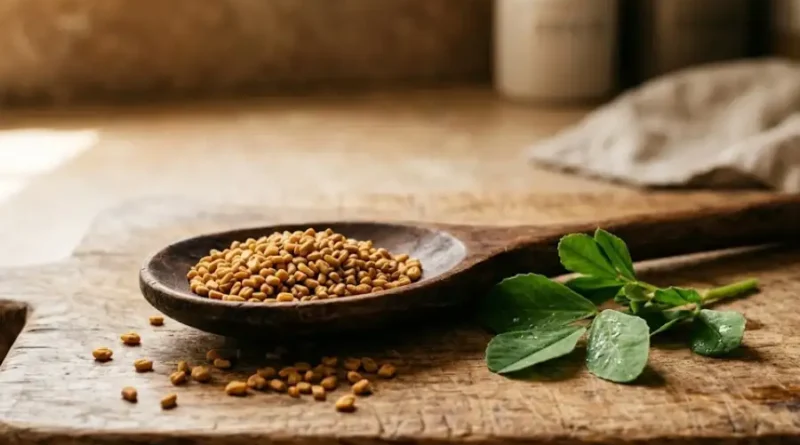
Foenegriek (scientific name: Trigonella foenum-graecum) is a plant from the legume family. The name comes from Latin and means “Greek hay,” because the dried plant smells sweet, like hay. In English, it is called fenugreek. In Indian cooking, the leaf is known as methi.
The plant grows mainly in warm places like India, North Africa, and the Mediterranean region. Both the seeds and the leaves are used in food, herbal medicine, and skin and hair care products.
The seeds are small, hard, and golden brown. They taste slightly bitter with a nutty flavor. Many people say foenegriek smells a bit like maple syrup. That smell comes from a natural compound called sotolon.
What Are the Health Benefits of Foenegriek?
Foenegriek has been used in traditional Ayurvedic medicine for centuries. Today, modern science is studying many of those old uses. Below are six key benefits, with a look at what the research says.
Does Foenegriek Help Lower Blood Sugar?
Yes. There is strong scientific evidence that foenegriek can help control blood sugar levels. This is one of the most well-studied benefits of this herb.
The seeds are full of soluble fiber. This fiber slows down how fast sugar gets absorbed in the gut. That means your blood sugar does not spike as much after eating. Studies published in journals like the Journal of Diabetes and Metabolic Disorders show that foenegriek can improve how your body responds to insulin.
This makes foenegriek useful for people with type 2 diabetes or anyone who wants to keep their blood sugar steady. The World Health Organization’s overview on diabetes explains why managing blood sugar matters so much. If you already take diabetes medication, talk to your doctor first. Foenegriek can make those medicines work stronger than expected.
Does Foenegriek Help with Breastfeeding?
Yes. Foenegriek is one of the most popular natural ways to support milk production during breastfeeding. This use goes back centuries in both Ayurvedic and Arabic traditional medicine.
The idea is that foenegriek stimulates a hormone called prolactin. Prolactin plays a big role in making breast milk. Several clinical studies support this use, although the evidence is not 100% confirmed yet.
Many new mothers I have spoken with say they noticed a difference within a few days of starting foenegriek tea or capsules. The LactMed database maintained by the National Library of Medicine provides detailed safety information for mothers considering herbal supplements during breastfeeding. If you want to try it, start with a small dose and talk to your midwife or doctor first.
Can Foenegriek Lower Cholesterol?
There is good evidence that foenegriek can help lower LDL cholesterol (the “bad” kind) and triglycerides.
Here is how it works: the fiber in the seeds binds to bile salts in the gut. This forces the body to pull cholesterol from the blood to make new bile salts. The result is lower cholesterol levels in your blood.
Foenegriek is not a replacement for cholesterol medication. But as part of a healthy diet, it can be a helpful addition. Talk to your doctor if you want to know how it fits into your situation.
Is Foenegriek Good for Digestion?
Yes. Foenegriek has been used for centuries to help with digestion problems, and there is a good reason for that.
The mucilage (a sticky substance) in the seeds forms a protective layer on the lining of the stomach and intestines. This can help with bloating, heartburn, and slow digestion. In many cultures, from India to the Middle East, people drink foenegriek tea after a heavy meal for this exact reason.
Does Foenegriek Increase Testosterone?
Some studies suggest that foenegriek can raise testosterone levels in men, but the results are mixed.
This benefit gets a lot of attention in the fitness world. The effect is linked to compounds called saponins, especially one called protodioscin. Several small studies show a positive effect on testosterone and sex drive. But other studies found no clear effect at all.
On top of that, some of the positive studies were funded by supplement companies. That is something to keep in mind when reading those results. Do not expect miracles, but combined with good nutrition and regular exercise, foenegriek may give a small positive push.
Does Foenegriek Support the Immune System?
Yes. Foenegriek seeds contain antioxidants like flavonoids and alkaloids. These help the body fight free radicals and reduce inflammation.
The seeds are also a source of iron, magnesium, manganese, and several B vitamins. These are all nutrients that your immune system needs to work properly. Health authorities confirm that these minerals and vitamins play a role in keeping your body’s defenses strong.
How Do You Use Foenegriek in Cooking?
Foenegriek is a spice with a strong, nutty flavor. You can use both the seeds and the leaves. Below are the three most common ways to prepare them.
How Do You Prepare Foenegriek Seeds?
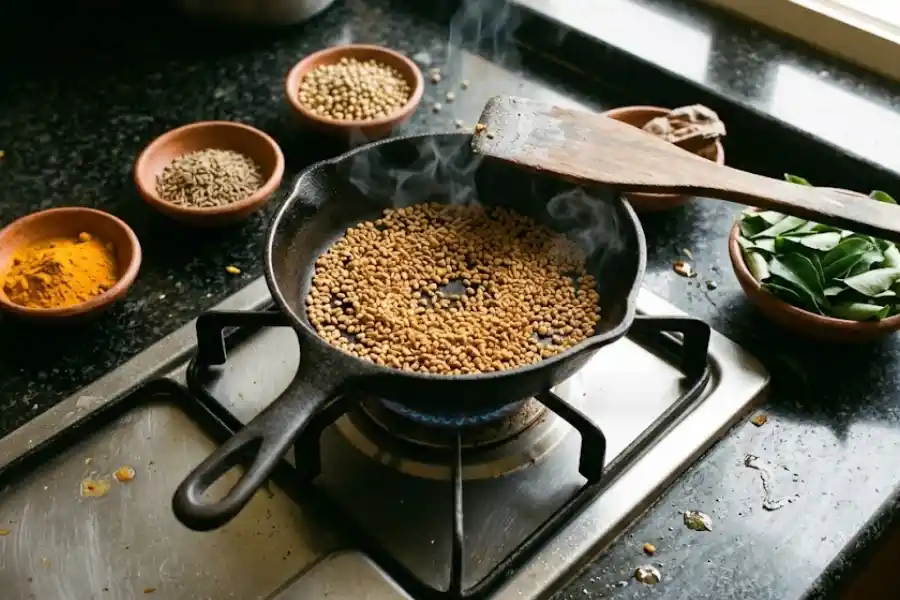
- Toasting: Toast the seeds briefly in a dry pan over medium heat. This reduces the bitter taste and brings out the nutty, sweet aroma. Be careful not to burn them, because that makes them even more bitter.
- Soaking: Soak the seeds overnight in water. They will soften and develop a gel-like texture. This makes them great for smoothies, salads, or sauces.
- Grinding: Grind the seeds into a powder using a mortar and pestle or a coffee grinder. This makes them easy to measure and mix into sauces, marinades, or spice blends.
What Dishes Can You Make with Foenegriek?
- Curry powders and spice blends: Foenegriek is a key ingredient in Indian curry powders, garam masala, and the Bengali spice blend panch phoran.
- Lentil dishes: A pinch of ground foenegriek gives dhal and other lentil stews a wonderful depth of flavor.
- Vegetable dishes: Foenegriek works especially well with potatoes. The Indian dish aloo methi is a well-known example.
- Marinades: Add ground foenegriek to marinades for chicken, tofu, or grilled vegetables for a spicy kick.
- Cheese: In the Netherlands, foenegriek is increasingly used as a flavoring in artisan cheeses. The nutty taste pairs surprisingly well with cheese.
- Bread and pastries: In Middle Eastern cooking, foenegriek is sometimes added to bread or savory pastries.
- Chutneys and pickles: A classic use in Indian and Middle Eastern cuisine.
What Is Kasuri Methi (Dried Foenegriek Leaf)?
Kasuri methi is the dried leaf of the foenegriek plant. It has a milder, more herby taste than the seeds. In Indian cooking, kasuri methi is added at the end of cooking to give dishes extra aroma. Think of dishes like butter chicken or a creamy vegetable curry. A small amount makes a big difference in flavor.
Tip from an experienced cook: Always start with a small amount of foenegriek. Half a teaspoon for a dish serving four people is often enough. Too much makes the dish bitter instead of flavorful.
How Do You Make Foenegriek Tea?
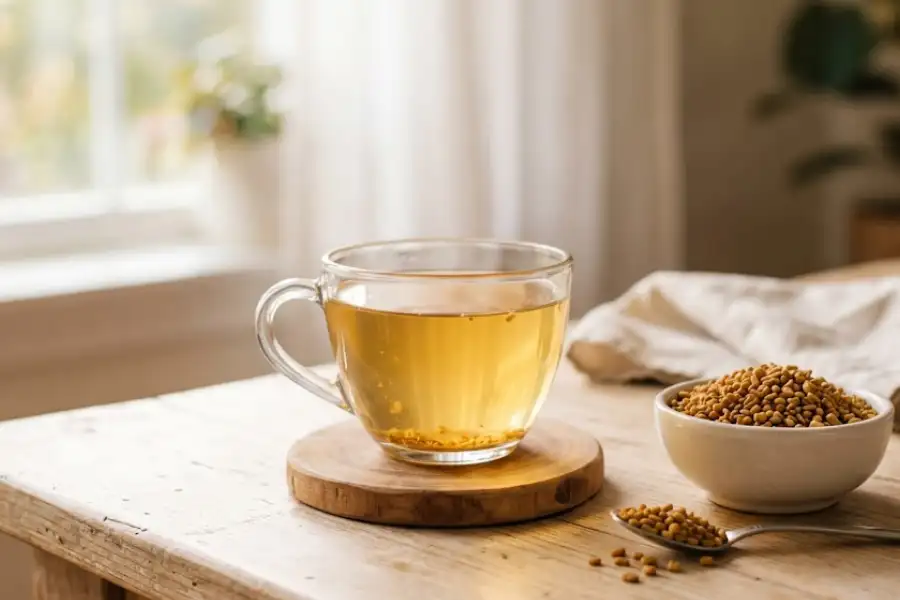
Foenegriek tea is one of the easiest ways to enjoy the benefits of foenegriek. You only need foenegriek seeds and hot water. Here is how to make it:
- Take 1 to 2 teaspoons of foenegriek seeds.
- Put them in a cup and pour boiling water over them.
- Let it steep for 5 to 10 minutes.
- Strain out the seeds.
- Add a little honey or lemon for taste if you like.
The tea has a mild, sweet, nutty taste. Many people drink foenegriek tea after meals to help with digestion, or in the morning as a gentle start to the day.
What Is Foenegriek Water and How Do You Make It?
Foenegriek water is a cold infusion of the seeds. To make it, soak 1 to 2 teaspoons of foenegriek seeds overnight in a glass of cold water. Drink the water the next morning on an empty stomach. In Indian and Middle Eastern traditions, this is seen as a powerful health drink that helps kick-start digestion and keep blood sugar levels steady.
Is Foenegriek Good for Your Hair?
Foenegriek is widely used in natural hair care, especially to reduce hair loss and improve hair condition. The seeds contain proteins, lecithin, and nicotinic acid (vitamin B3), which are all nourishing for hair and scalp.
The scientific evidence for foenegriek helping with hair growth is still limited. But many people report positive results after using it regularly. At the very least, the nutrients in the seeds are good for keeping hair healthy and strong.
How Do You Make a Foenegriek Hair Mask?
Here is a simple recipe you can make at home:
- Soak 2 to 3 tablespoons of foenegriek seeds overnight in water.
- Drain the water. Keep the soaking water, because you can use it as a hair rinse.
- Blend the soaked seeds into a smooth paste.
- Mix in a tablespoon of coconut oil or yogurt if you like.
- Apply the paste to your scalp and spread the rest through your hair.
- Leave it on for 20 to 30 minutes.
- Rinse well with lukewarm water and wash with a mild shampoo.
Is Foenegriek Good for Your Skin?
Yes. Foenegriek has anti-inflammatory and antibacterial properties that can help with skin issues like acne, redness, or mild irritation.
You can use the same paste as the hair mask. Apply a thin layer to your face, leave it on for 10 to 15 minutes, and rinse off with lukewarm water. Always test the mask on a small patch of skin first (like the inside of your wrist) to check for any allergic reaction.
Does Foenegriek Help with Weight Loss?
Foenegriek can help indirectly, but it is not a magic solution for losing weight.
The seeds are high in fiber, including a type called galactomannan. This fiber makes you feel full, so you eat less and do not feel hungry as quickly. A steady blood sugar level also helps cut down on sudden cravings and snacking.
But let me put it this way: losing weight only works when you combine it with healthy eating and regular movement. Foenegriek can be a small extra that helps you eat less, not a replacement for a healthy lifestyle.
What Foenegriek Supplements Are Available?
Foenegriek supplements come in three main forms: capsules, tablets, and loose powder. You can buy them at health food stores, pharmacies, and online herbal shops.
How Much Foenegriek Should You Take Per Day?
There is no official recommended daily amount for foenegriek. The right dose depends on what you are using it for and how concentrated the product is. Here are guidelines based on clinical research:
- General daily use: 500 mg to 1000 mg per capsule, 1 to 3 times a day
- Breastfeeding support: 1 to 6 grams of powder per day (always check with your doctor or midwife)
- Testosterone support: 250 to 600 mg of extract per day
- Blood sugar management: 5 to 25 grams of powder per day (only under medical supervision)
Important: Always follow the dosage instructions on the label of your specific product. Different brands use different extraction methods and concentrations, so the active ingredients can vary a lot from one product to another.
What Are the Side Effects of Foenegriek?
Foenegriek is safe for most people when used in normal amounts. But there are side effects and risks you should know about, especially at higher doses or when taking supplements.
Possible Side Effects
- Stomach and gut issues: Some people get bloating, gas, or diarrhea, especially at higher doses.
- Change in body odor: A common side effect is that sweat, urine, or breast milk can develop a sweet, maple-syrup-like smell. This is harmless but worth knowing about.
- Allergic reactions: People who are allergic to legumes (like peanuts, soy, or chickpeas) have a higher risk of reacting to foenegriek, because foenegriek is also a legume.
When Should You Not Use Foenegriek?
- During pregnancy: Foenegriek can stimulate uterine contractions. It is not recommended for pregnant women.
- If you take blood thinners: Foenegriek can affect blood clotting. Talk to your doctor if you use blood-thinning medication.
- If you take diabetes medication: Foenegriek lowers blood sugar. Combined with diabetes medication, this can lead to hypoglycemia (blood sugar dropping too low).
- Before surgery: Stop taking foenegriek at least two weeks before a planned surgery because of its effect on blood clotting.
Medical disclaimer: This article is written for informational purposes and does not replace medical advice. Always consult a doctor or pharmacist before using foenegriek as a supplement, especially if you have health conditions or take medication.
How Should You Store Foenegriek?
Foenegriek is easy to store and lasts a long time if kept properly:
- Whole seeds: Keep them in an airtight jar in a cool, dark place. They stay good for up to two years.
- Ground foenegriek: Loses its flavor and aroma faster. Use it within six months for best results.
- Dried leaves (kasuri methi): Store in an airtight jar in a cool place. Good for about one year.
If you want the best flavor and nutritional value, buy whole seeds and grind them yourself right before use.
Where Can You Buy Foenegriek?
Foenegriek is widely available at these places:
- Asian and Indian grocery stores: You can find both seeds and dried leaves here, often at the best prices.
- Health food stores and pharmacies: These carry supplements in capsule or powder form.
- Regular supermarkets: More and more supermarkets now stock foenegriek in the spice section. It may be labeled as “methi” or included in a spice blend.
- Online shops: Specialty herb stores and online retailers offer foenegriek with home delivery.
Frequently Asked Questions
Is foenegriek the same as fenugreek?
Yes. Foenegriek is the Dutch name for fenugreek. They are the same plant. The scientific name is Trigonella foenum-graecum.
What does foenegriek taste like?
Foenegriek has a nutty, slightly bitter taste with a sweet undertone that reminds people of maple syrup. Toasting or soaking the seeds reduces the bitterness and brings out the sweeter side.
Can foenegriek be harmful?
When used in normal amounts in food, foenegriek is safe for most people. At high doses or with long-term supplement use, side effects can happen. Pregnant women, people with legume allergies, and people on blood thinners or diabetes medication should be extra careful and talk to a doctor first.
Does foenegriek help with hair loss?
Foenegriek seeds contain proteins, iron, and B vitamins that are good for hair health. There is not yet enough scientific proof to say it stops hair loss or makes hair grow faster. Many people do report improvement after using foenegriek hair masks regularly, but results vary from person to person.
Is foenegriek safe for children?
In small amounts as a spice in food, foenegriek is generally safe for children. Using foenegriek as a supplement is not recommended for children without first checking with a pediatrician.
Where does foenegriek come from originally?
Foenegriek originally comes from the Mediterranean region and Western Asia. The plant has been grown for more than 4,000 years. It was used by the ancient Egyptians, Greeks, and Romans, both as a food and in traditional medicine.
Conclusion
Foenegriek is a versatile herb with a rich history. Whether you use it as a spice in your favorite dishes, as a tea for digestion, as a supplement during breastfeeding, or as an ingredient in a hair mask, it has something to offer for many different needs.
The most important thing is to use foenegriek in moderation, watch out for any interactions with medications, and check with your doctor if you are unsure. Start with a small amount and see how your body responds. That way, you will get the best sense of what this little seed can do for you.
Visit the rest of the site Business Insiderrs for more interesting and useful articles. Thank you!
